

Start with the line most brands get wrong: in Europe you cannot place a cosmetic product on the market until it has been notified through the Cosmetic Products Notification Portal, and the entity that notifies must be established inside the EU. Regulation (EC) No 1223/2009 has been in force since 2013, and unlike the US framework it has never treated compliance as voluntary. The paperwork is real, but it is predictable, and a contract manufacturer can carry a large share of it.
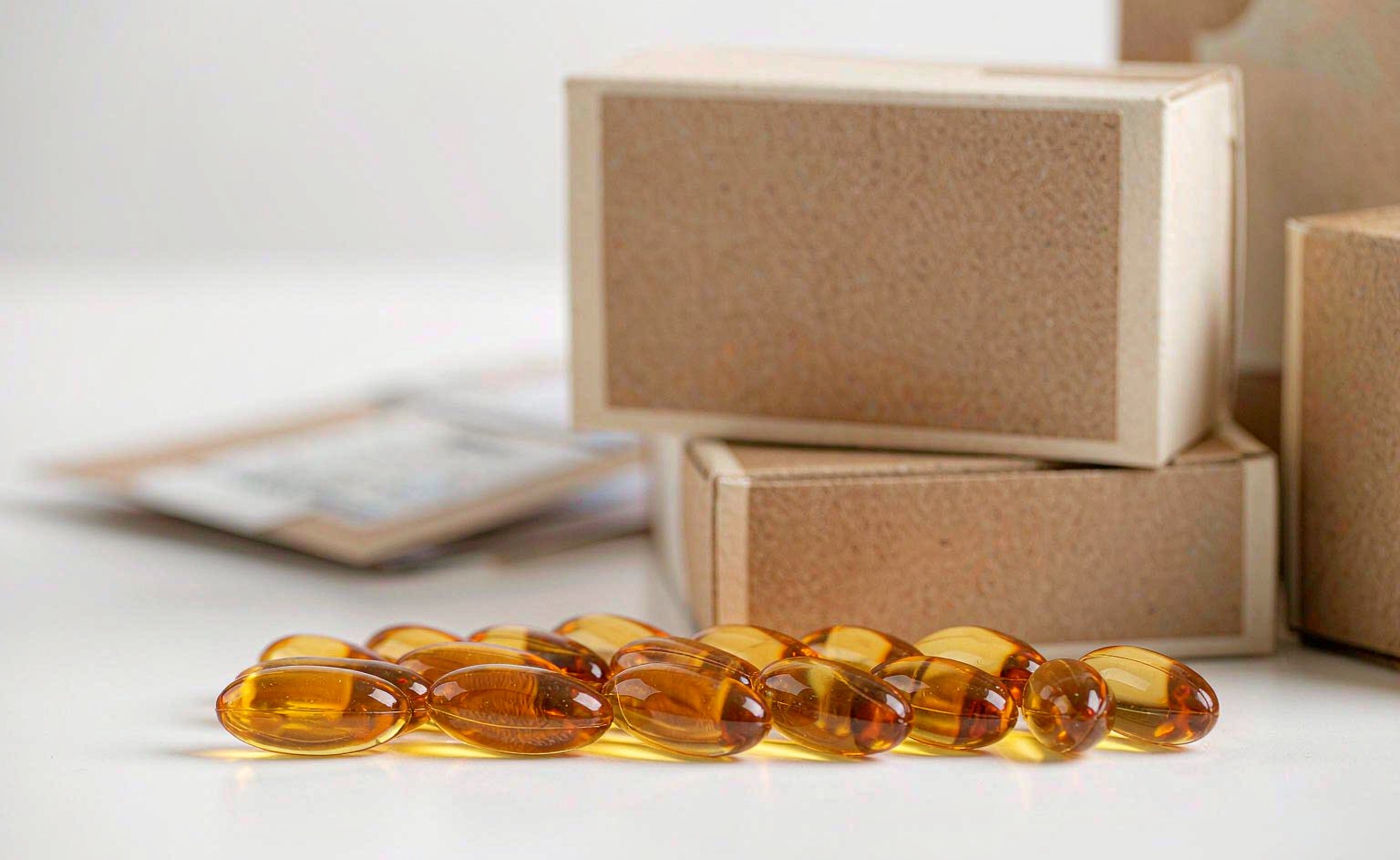
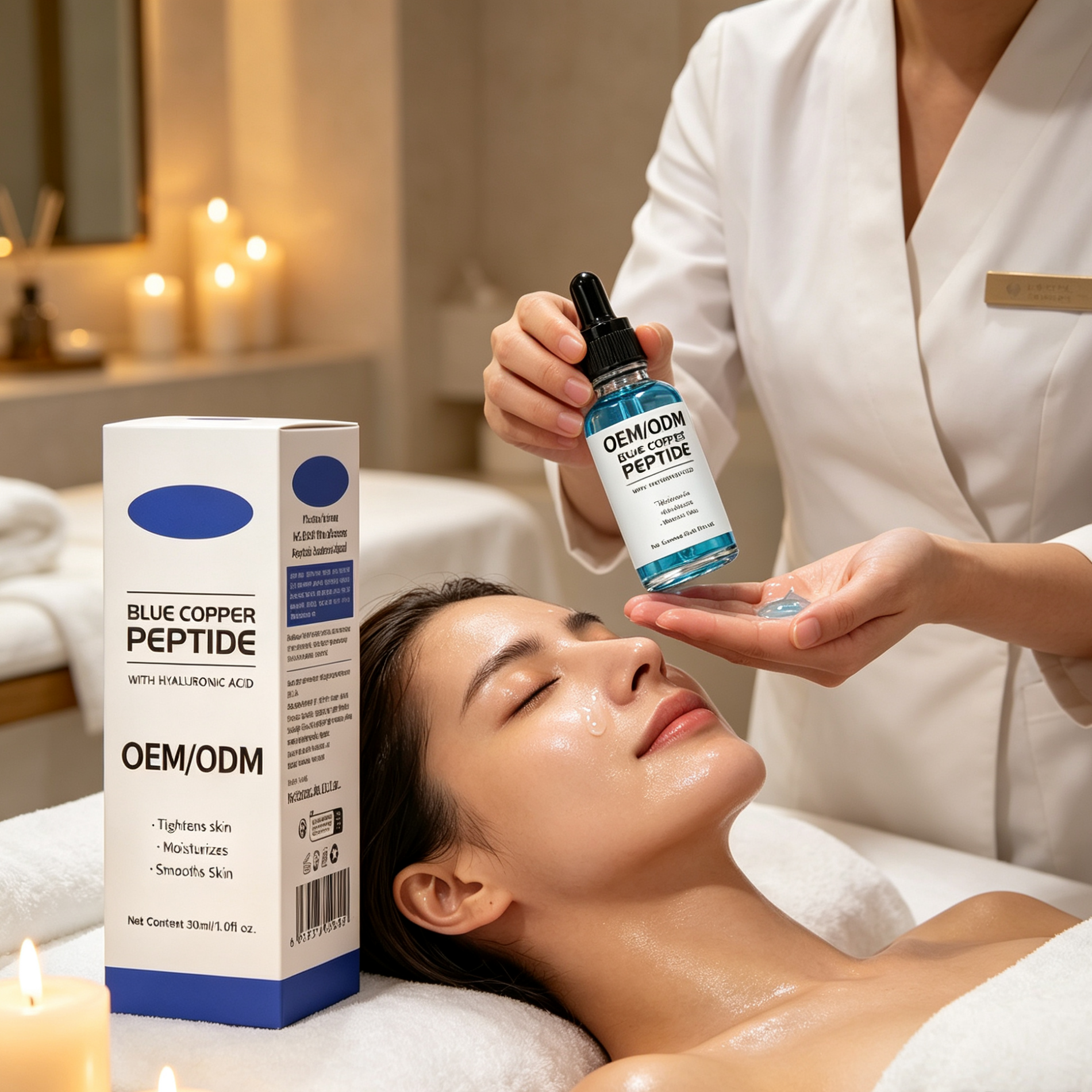
At CapsulesBiotech we produce single-dose soft capsules for facial serum oils, eye serums, hair oils, body lotions, creams, and masks, in either a 100% plant-based shell or a food-grade gelatin shell. A growing share of our current projects is destined for the EU, so we have learned where the friction sits, and how much of it a sealed capsule removes.
The Three Pillars of an EU LaunchEverything else hangs off three obligations:
- A Responsible Person established in the EU, named on the label with a contact address
- Notification of each product in the CPNP before it is placed on the market, covering category, frame formulation, and any nanomaterials
- A Product Information File held for ten years after the last batch leaves the market, containing a Cosmetic Product Safety Report signed by a qualified safety assessor
The Responsible Person is the pivot. A non-EU brand appointing an importer often hands that role over without realising it, which shifts notification, record-keeping, and adverse event reporting to the importer.
Where the Bottleneck Usually IsThe CPNP entry itself takes an afternoon. The Product Information File is the long pole: Part A demands the formulation, the raw material specifications, the manufacturing method statement, and stability data, while Part B rests on the assessor's exposure and toxicological reasoning. Brands that arrive with a finished formula and no documentation trail spend weeks reconstructing evidence that should have been generated during development. GMP evidence under ISO 22716 is also expected, and traceability linking batch codes to raw material lots is not optional.
What a Factory Should Hand YouWe are a manufacturer, not your regulatory consultant, but we can deliver the technical core of the file:
- Full INCI declarations for both the fill and the shell, with concentrations for the safety assessor
- Raw material specifications and certificates of analysis
- Manufacturing method statements and filling specifications, including fill weight tolerance
- Stability data for the chosen shell, carrier, and light-sensitive actives
- ISO 22716 GMP documentation and batch traceability records
A sealed single-dose capsule is a simpler regulatory object than a jar or a dropper bottle. Because the fill is closed to air and light and consumed in one use, no preservative system is required, which removes preservative efficacy testing and the associated challenge test from the dossier. The opaque shell limits light degradation of sensitive oils, supporting the stability claims that sit at the heart of Part A. Fill weight is fixed, so dose is controlled by the process rather than by the consumer, and microbial risk stays contained within the sealed unit.
None of this exempts a product from the Regulation. It simply means fewer variables to evidence, and a shorter path from formulation to a notifiable file.
If you are preparing a European launch, start with a brief rather than a finished formula. Tell CapsulesBiotech your target market, your positioning, and the sensory profile you have in mind, and we will come back with a formula direction, the filling specification, and a production schedule, so you can weigh the capsule format against a real timeline.