Tranexamic acid, commonly known as TXA, has become one of the most talked-about brightening ingredients in skincare. It's a synthetic derivative of the amino acid lysine, originally approved by the FDA to treat excessive menstrual bleeding and prevent bleeding in hemophilia patients. Its use in dermatology began as an off-label treatment for melasma, and it has since become a staple in brightening serums and creams.
What makes TXA stand out is not just its efficacy, but its gentle profile. Unlike hydroquinone or high-concentration acids, TXA achieves visible brightening without the irritation, peeling, or photosensitivity that often accompany traditional whitening agents.
How TXA Works – A Multi-Pathway Approach
TXA does not simply block tyrosinase, the enzyme that triggers melanin production. Instead, it interrupts pigmentation at multiple points along the melanogenesis pathway.
Its primary mechanism is plasmin inhibition. When skin is exposed to UV light, plasminogen is converted to plasmin, which activates keratinocytes to release inflammatory mediators. These mediators then stimulate melanocytes to produce more melanin. TXA blocks this conversion, effectively cutting off the signal before it reaches the melanocyte.
Beyond the plasmin pathway, research has shown that TXA also suppresses endothelin-1 (ET-1), a potent melanocyte activator produced by vascular endothelial cells. A 2024 study confirmed that by downregulating ET-1 expression, TXA reduces melanogenesis and melanocyte proliferation — making it effective for vascular-linked pigmentation like melasma.
More recent findings reveal that TXA promotes the ubiquitination degradation of tyrosinase and facilitates autophagic degradation of melanosomes. In other words, it doesn't just reduce melanin production — it actively helps the skin break down and recycle existing pigment components.
Why It's Gentle on Skin
TXA's gentleness stems from the fact that it does not act directly on melanocytes. Early research demonstrated that TXA has no effect on tyrosinase activity in isolated melanocyte cultures. Its anti-melanogenic effect only appears in the presence of keratinocyte-conditioned medium — meaning it works by interfering with the cross-talk between keratinocytes and melanocytes, not by aggressively suppressing melanocyte function.
This indirect action explains why TXA is well-tolerated across a wide range of skin types, including sensitive skin. It is also stable and not photosensitizing, so it can be used during the day without the risk of rebound pigmentation.-
Clinical Evidence
TXA has been studied extensively for melasma. A systematic review and meta-analysis of 32 randomized trials found that TXA combined with hydroquinone demonstrated superior efficacy compared to either agent alone. Oral TXA at 250mg twice daily showed improvement in 89.7% of patients within two months.
For topical use, TXA is often formulated at concentrations between 2% and 5%. A randomized controlled study comparing topical 5% TXA solution with 3% hydroquinone cream found comparable efficacy for melasma, with TXA offering a better tolerability profile.
What TXA Can and Cannot Do
TXA is most effective for pigmentation linked to inflammation or vascular factors — melasma, post-inflammatory hyperpigmentation, and post-acne erythema. It is less effective for purely sun-induced freckles or dermal pigmentation, where other actives like retinoids or laser treatments may be more appropriate.
It is also not a replacement for sunscreen. UV exposure remains the primary driver of pigmentation, and TXA works best when used alongside consistent photoprotection.
The Formulation Advantage of Softgel Capsules
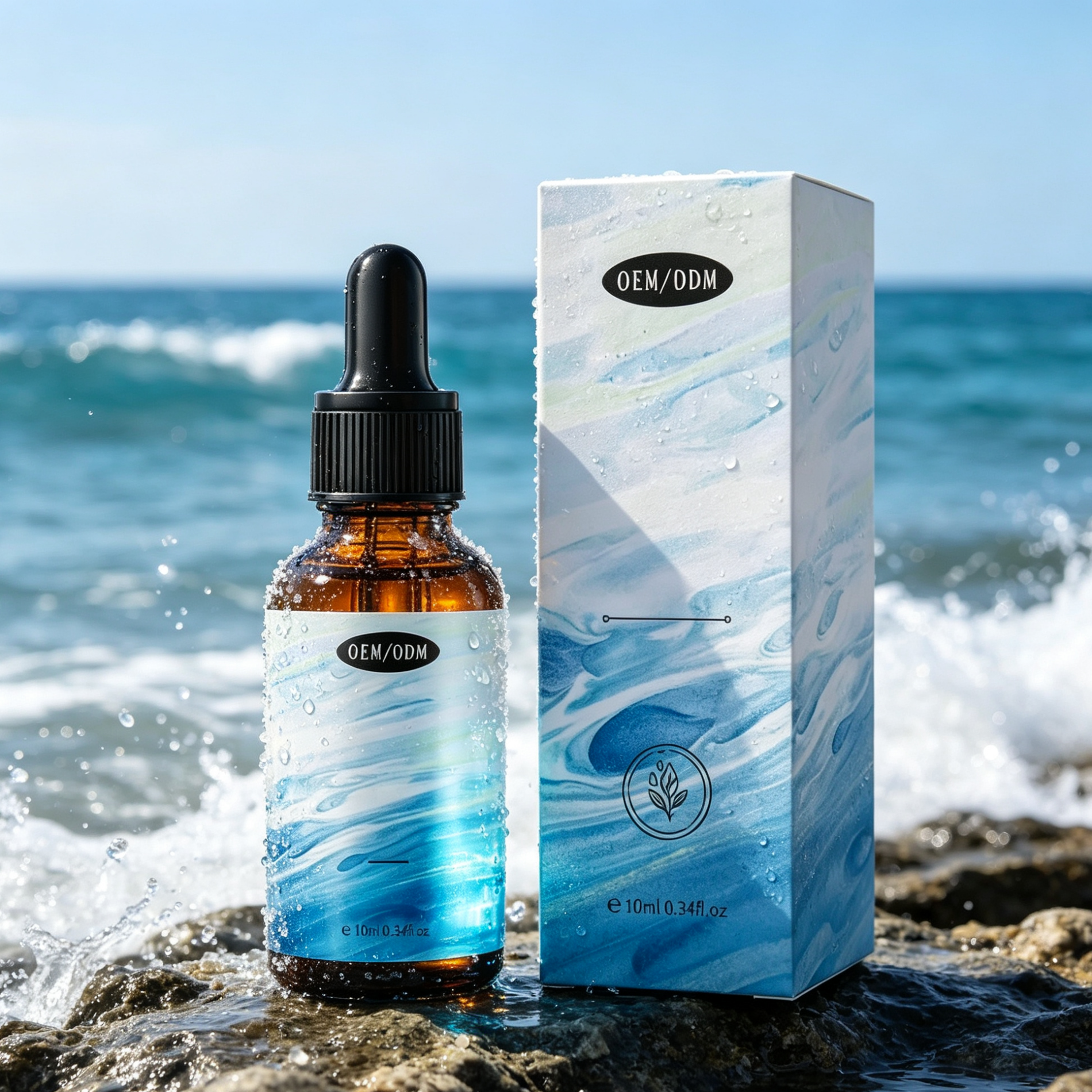
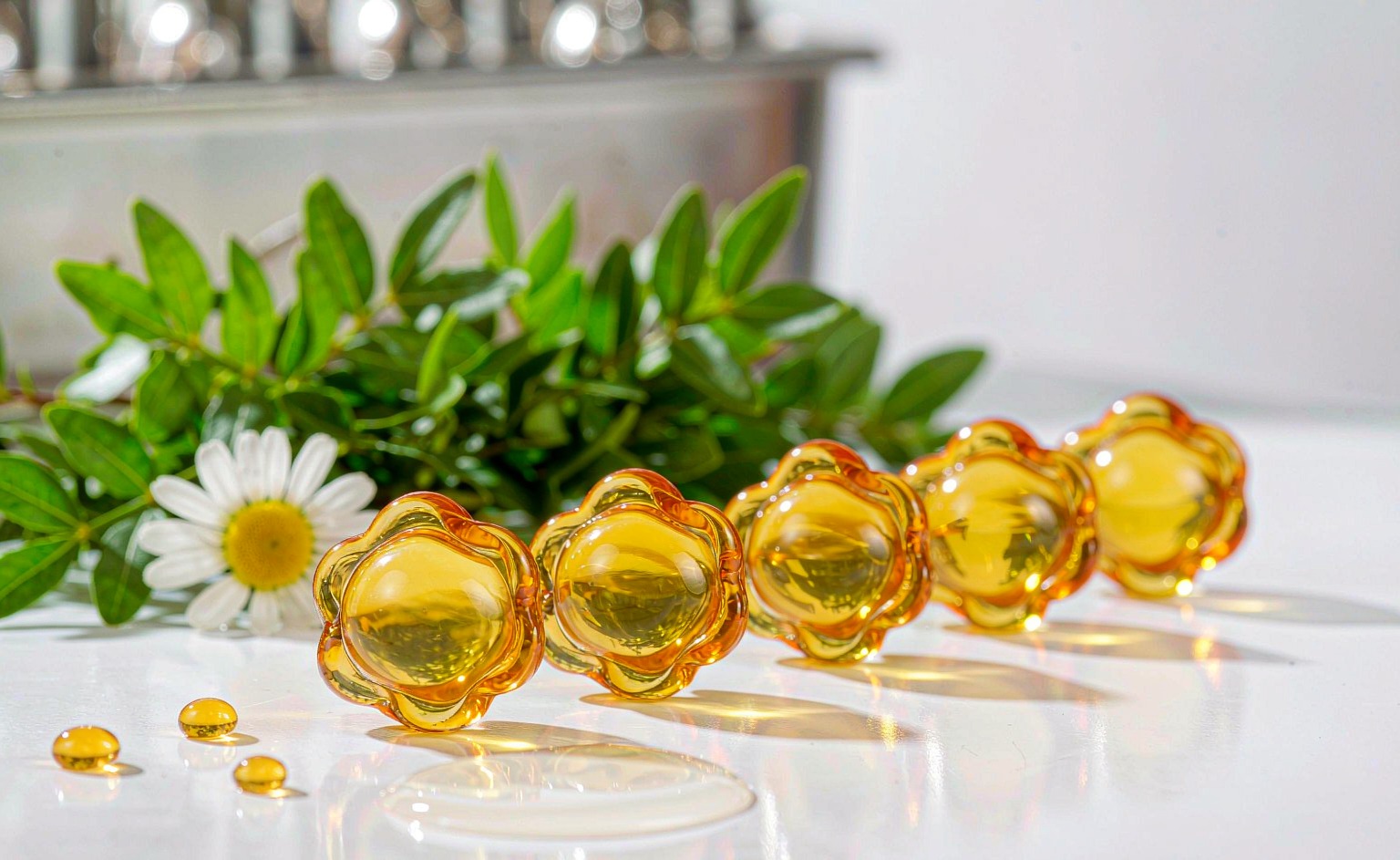
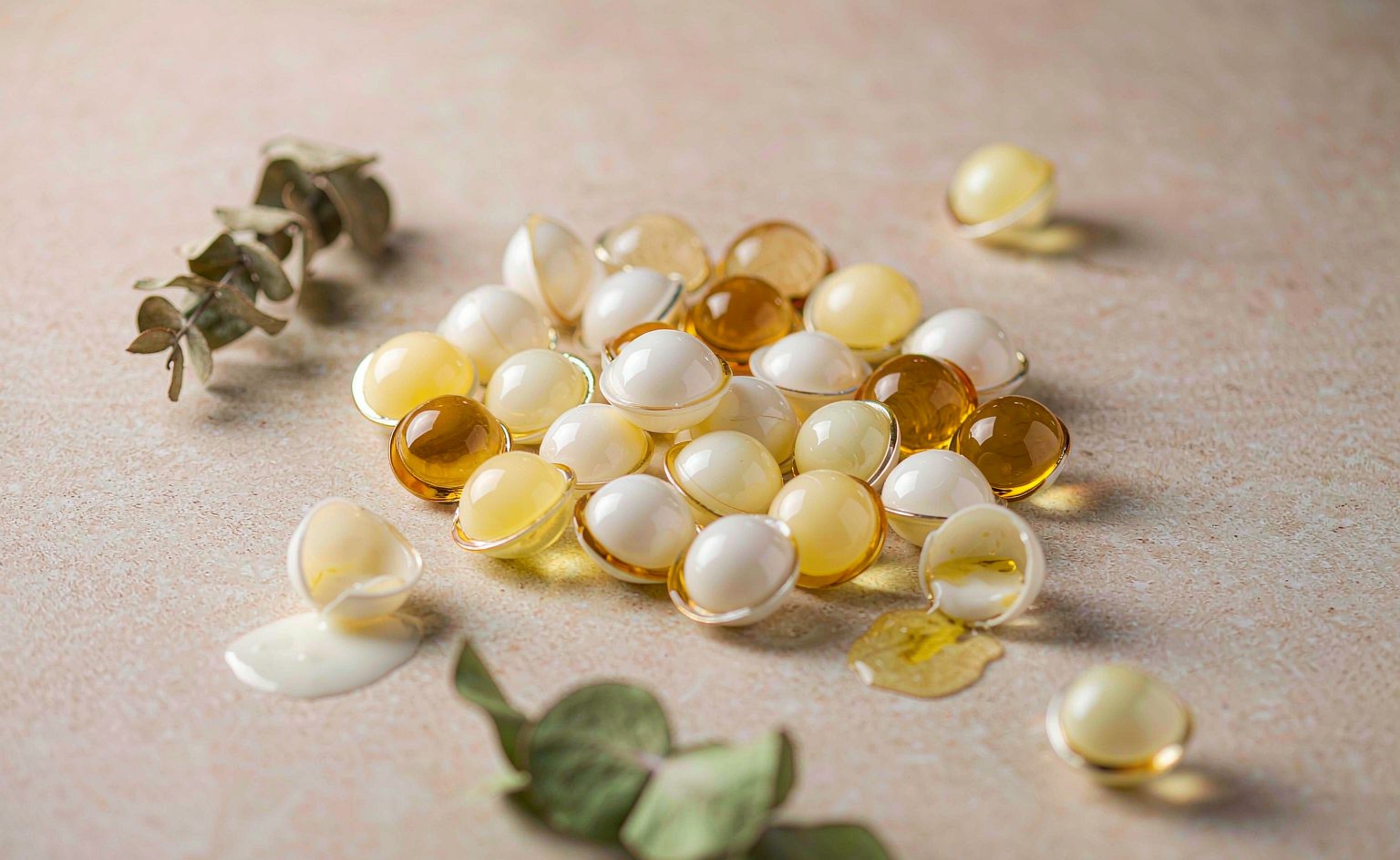
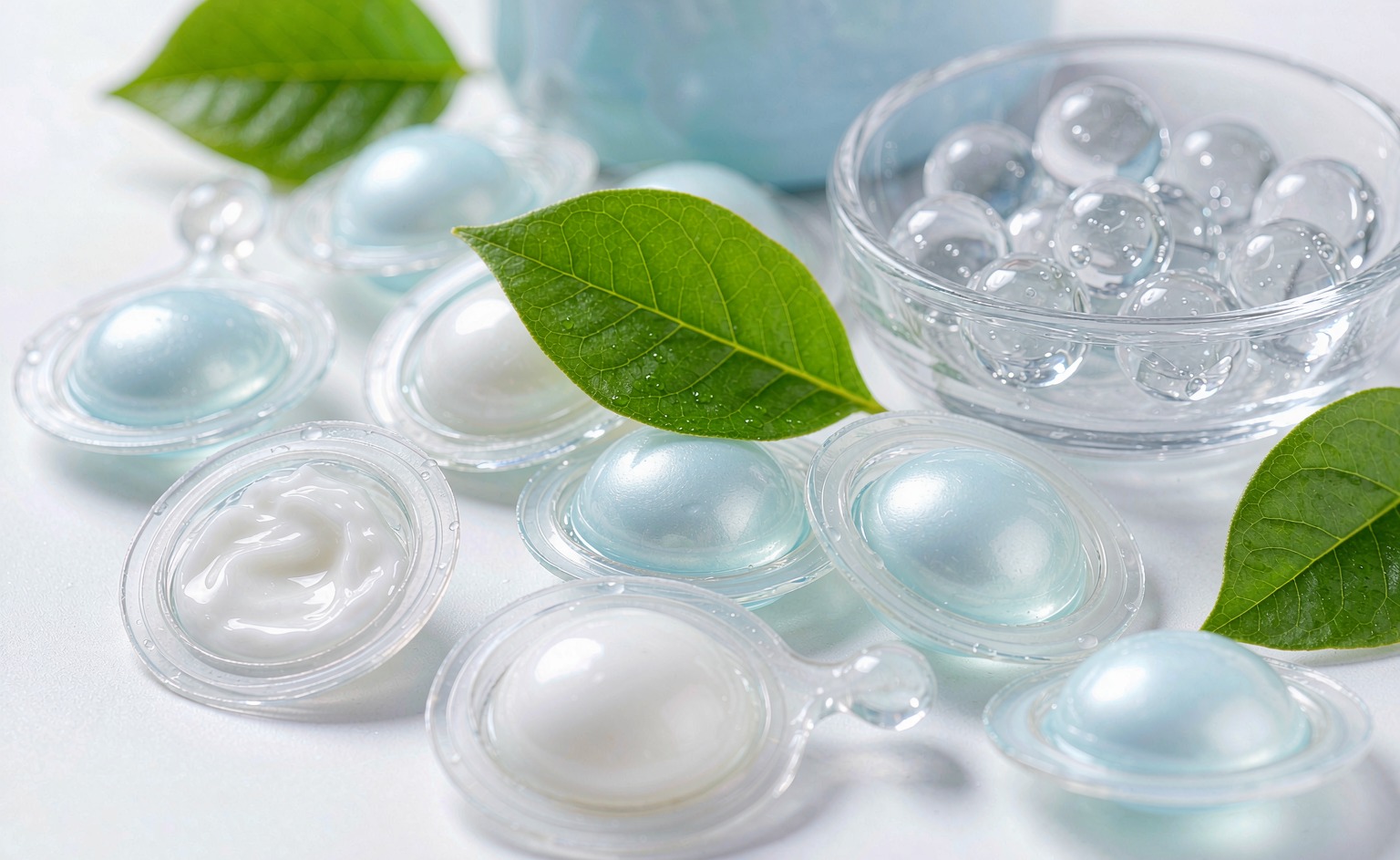
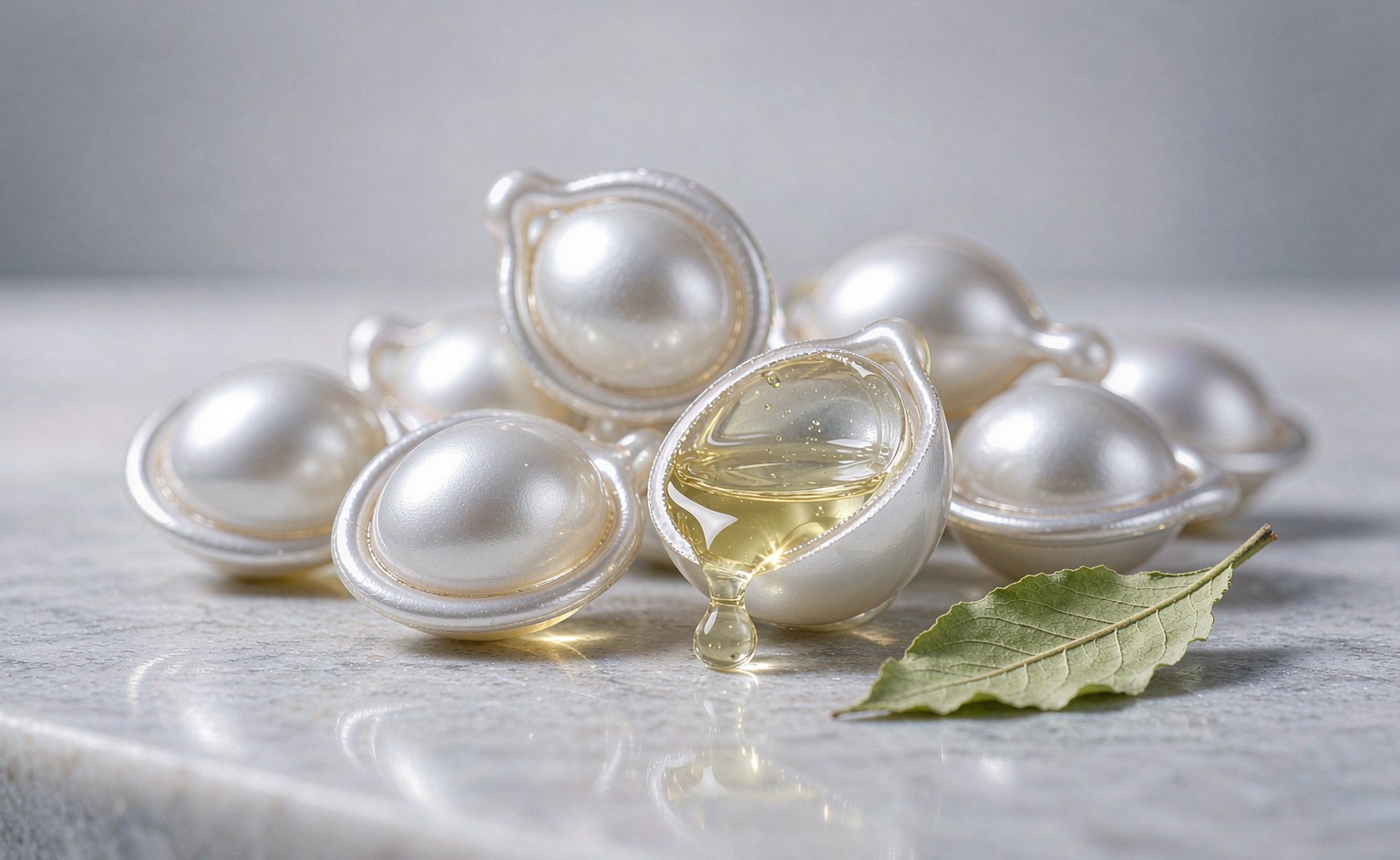
TXA is water-soluble and stable, but its efficacy can be compromised by oxidation and contamination in traditional dropper bottles. Softgel encapsulation protects the active from light and air, ensuring potency from first use to last. Single-dose capsules also eliminate the need for preservatives, making them suitable for sensitive skin and clean-beauty positioning.
We formulate custom TXA brightening serums and softgel capsules in our GMP-certified Guangzhou facility. Choose your concentration, complementary actives (niacinamide, vitamin C, or tranexamic acid derivatives), and packaging.
Tell us your concept — quote within 24 hours. Your brand. Our expertise. Made in Guangzhou.