When you choose a softgel base, two options come up often: white oil and silicone-free. They behave very differently on skin.
White Oil
White oil, also called mineral oil, is a highly refined, colorless, and odorless ingredient. Its main job is occlusion — forming a protective film that stops water from escaping. It can reduce moisture loss by up to 98%, making it extremely effective for dry, sensitive, or compromised skin.
The trade-off is texture. It feels heavy and greasy, and it doesn't nourish skin or deliver active ingredients. It just seals moisture in. For oily or acne-prone skin, it can feel suffocating.
Silicone-Free
Silicone-free formulas replace ingredients like dimethicone with plant oils, esters, or squalane. They feel lighter, absorb faster, and avoid the “coated” sensation some users dislike.
They also appeal to clean-beauty consumers who actively avoid silicones. However, silicones are not strongly occlusive, so a silicone-free base must rely on plant oils or waxes for barrier protection. It usually provides less moisture-lock than white oil.
Which One Fits Your Brand?
If you target dry or compromised skin, white oil offers unmatched occlusion at low cost. It's a dermatologist favourite for a reason.
If you target clean-beauty, oily, or younger consumers, silicone-free aligns better with their values and preferences. It feels lighter and lets you highlight nourishing plant actives.
Many successful softgel brands offer both — a rich white-oil base for intensive repair, and a silicone-free base for daily lightweight hydration.
We Formulate Both
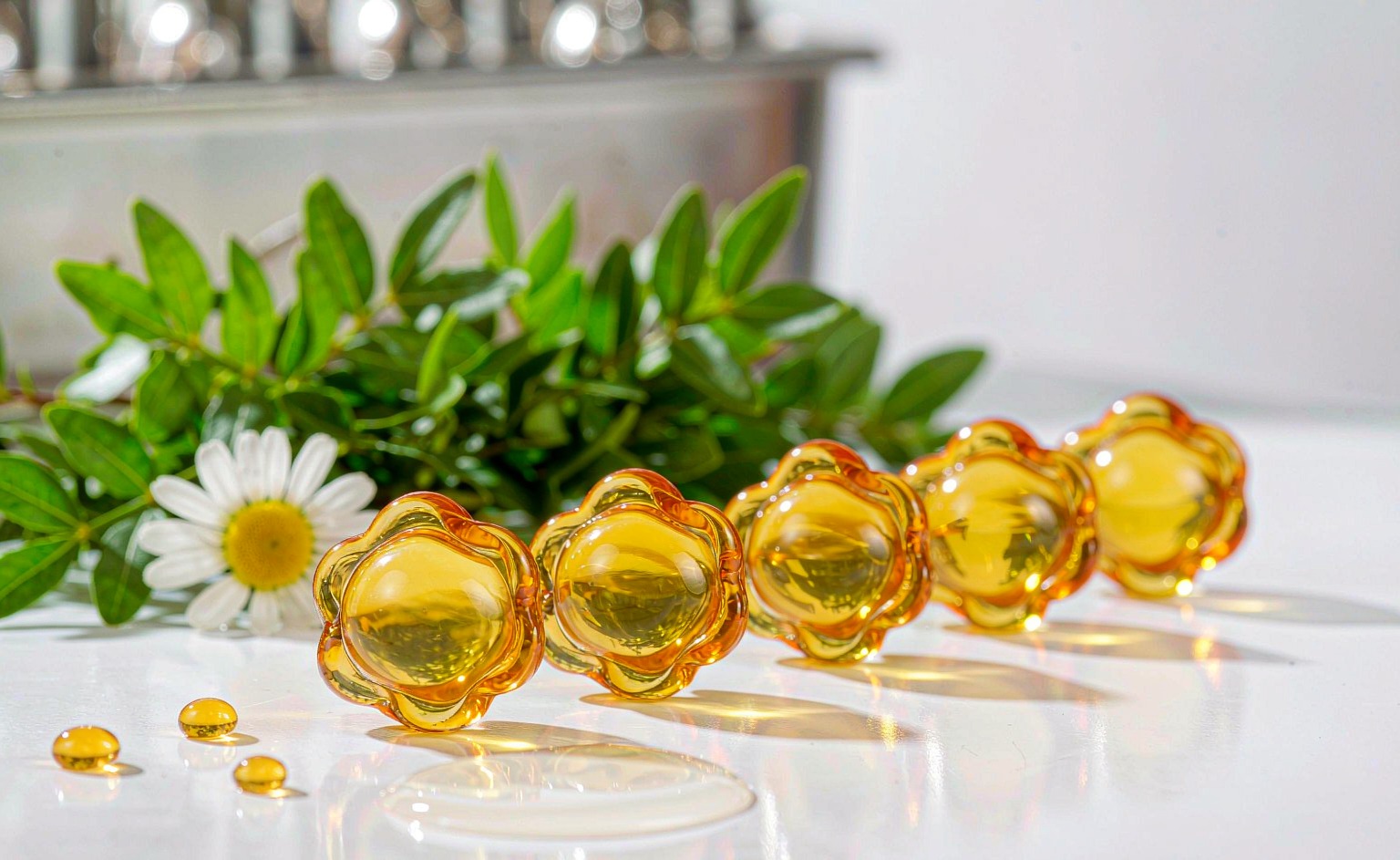
We manufacture custom softgel capsules with white-oil, silicone-free, or hybrid bases. Tell us your target skin type and brand positioning, and we'll recommend the right base.
Quote within 24 hours. Your brand. Our expertise. Made in Guangzhou.