PDRN — short for polydeoxyribonucleotide — has become one of the most talked-about ingredients in skincare over the past two years. It's often called "salmon DNA" on social media, and its popularity has exploded: global PDRN skincare product interactions grew 322.3% year-over-year in 2025, with a popularity index reaching 1.4 million.
But what actually is it, and does the science support the hype?
What Is PDRN?
PDRN is a highly purified DNA-derived polymer, most commonly extracted from salmon or trout sperm. It was originally approved by the Italian Medicines Agency in 1994 to treat wounds, skin ulcers, and connective tissue disorders. Since then, it has expanded into dermal fillers and cosmetic skincare, with growing clinical evidence supporting its benefits for wrinkles, dryness, hyperpigmentation, hair loss, and barrier dysfunction.
How It Works
PDRN works through two primary biological pathways. First, it activates adenosine A2A receptors on fibroblast surfaces, triggering anti-inflammatory, anti-melanogenic, and pro-collagen responses-. Second, cells take up the nucleotide fragments through a "salvage pathway," recycling them into new DNA and supporting repair without the energy cost of building nucleotides from scratch.
Additionally, research shows PDRN activates PI3K–Akt and TGF-β/Smad signalling — critical pathways for extracellular matrix repair in photodamaged skin. It also promotes angiogenesis (new blood vessel formation), which improves nutrient delivery to skin tissue.
What the Clinical Evidence Shows
A 2026 systematic review of randomized clinical trials found that PDRN therapies improved wrinkle-related outcomes, scar quality, and wound-healing metrics across multiple studies. The most consistent benefits were in wound healing, where PDRN accelerated re-epithelialization and shortened healing time compared with controls. No serious treatment-related adverse events were reported.
A separate randomized split-face trial compared a 0.1% topical PDRN eye cream against 0.1% retinol over 28 days. The PDRN formula achieved approximately two-fold greater improvements in periocular wrinkles, dermal thickness, and eye bag parameters, with good tolerability.
Why the Market Is Exploding
The numbers tell a striking story. Global PDRN skincare market size reached approximately $321 million in 2025, with anti-aging products accounting for 30.7% of the segment-. On major Chinese e-commerce platforms, PDRN skincare sales jumped from just 1.5 million yuan in 2022 to 408 million yuan in 2025 — a nearly 270-fold increase in four years-.
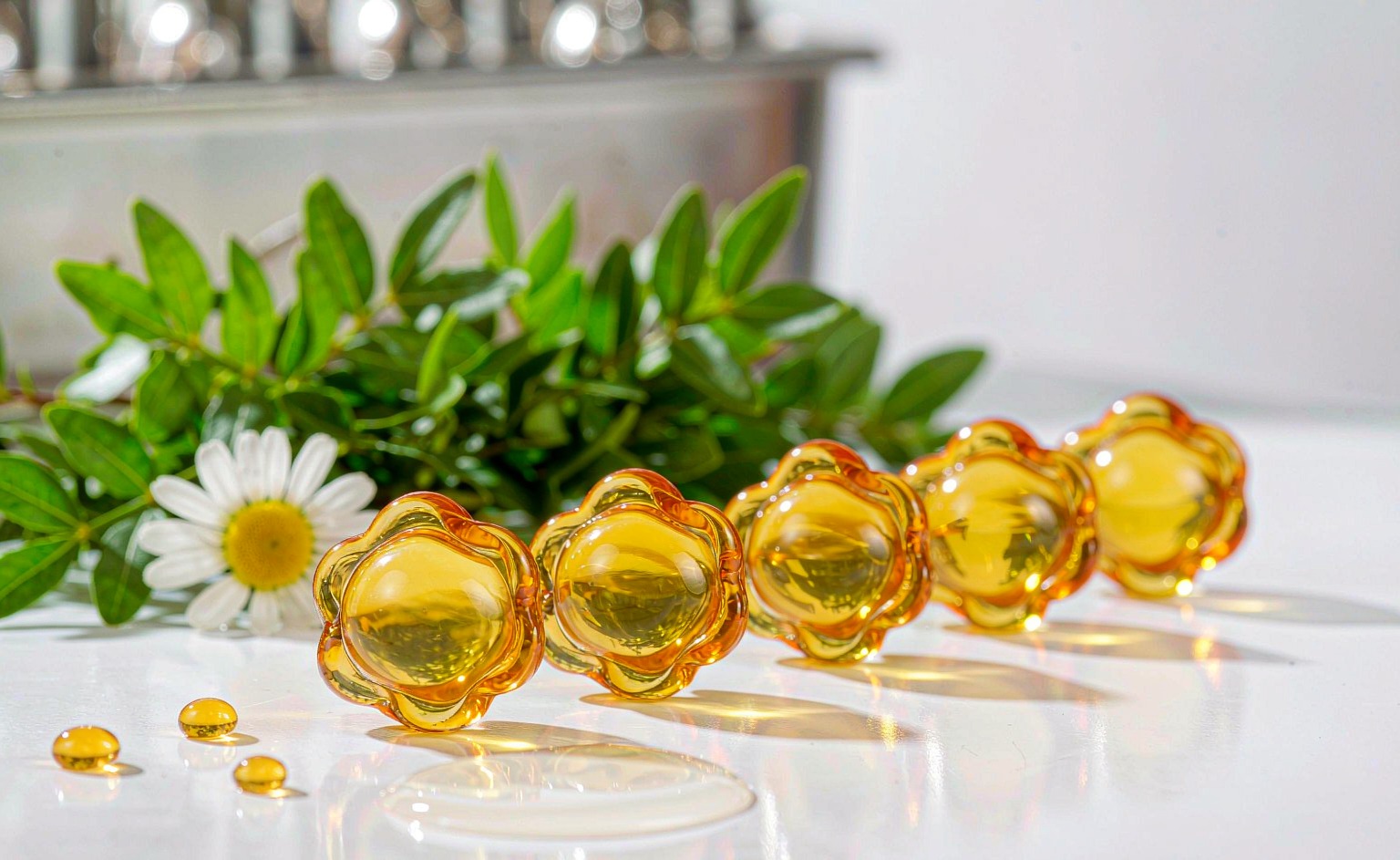
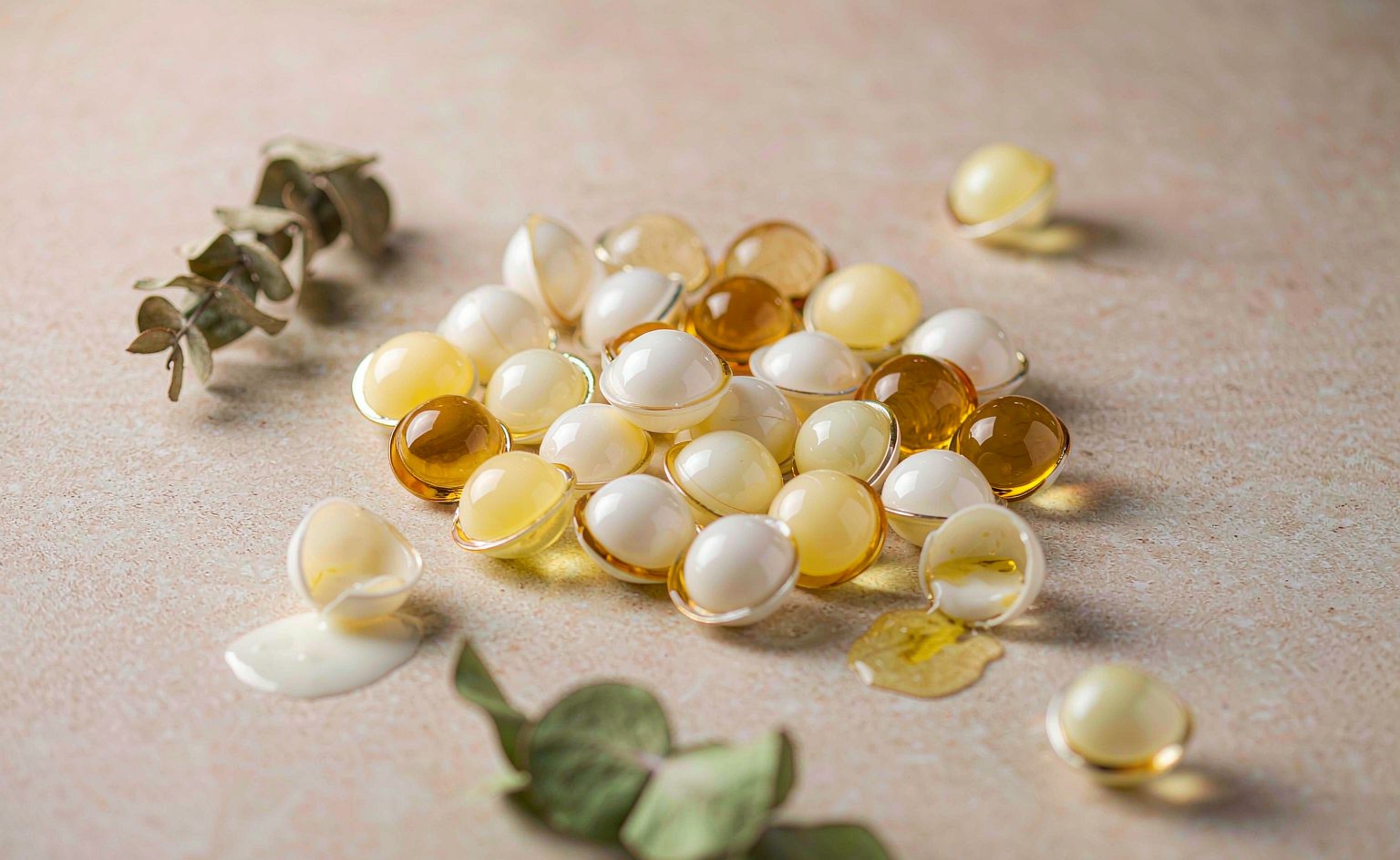
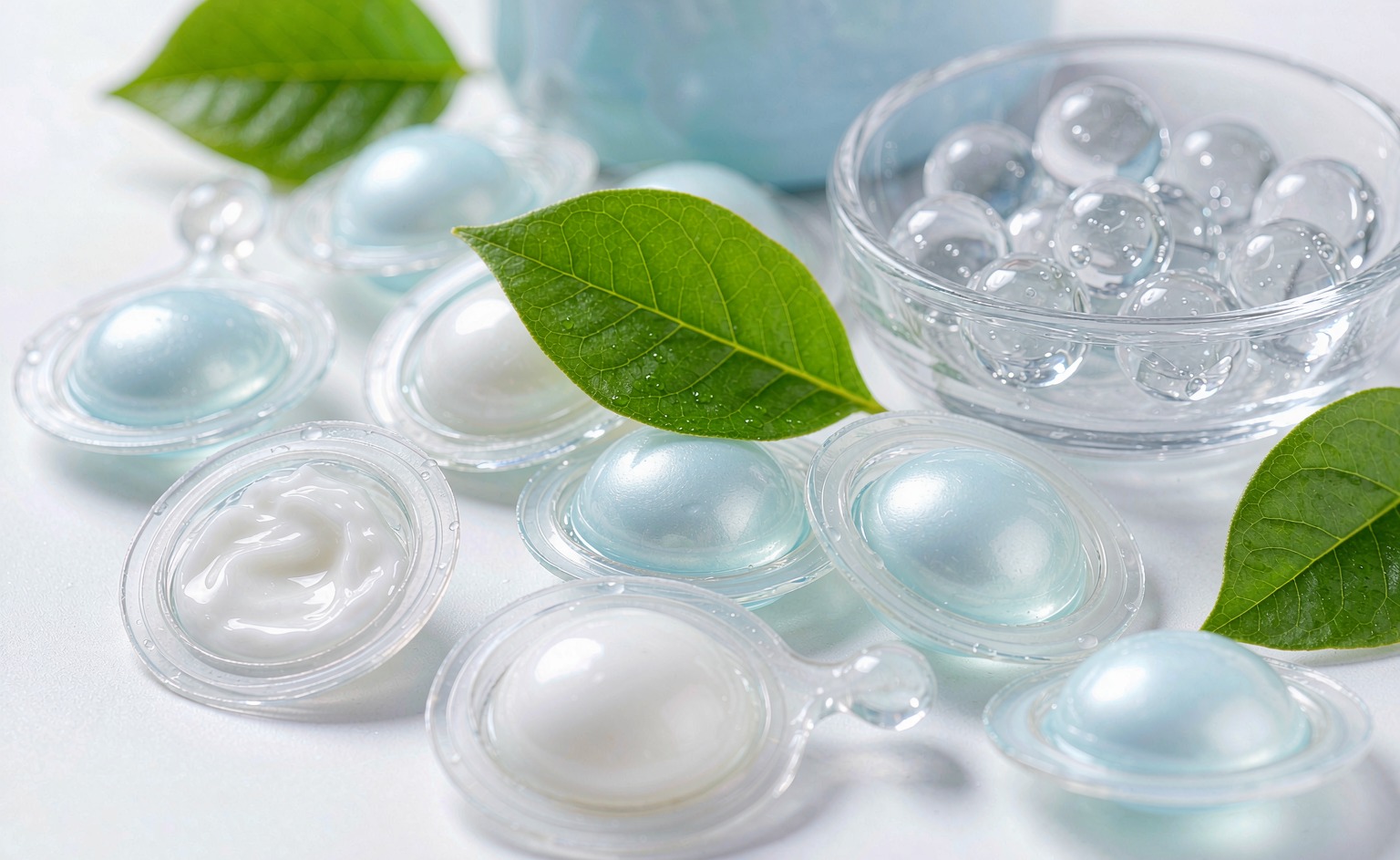
The format driving much of this growth? Single-dose capsules and vials. Industry reports note that "disposable" PDRN formats saw a compound annual growth rate of 13,888% — the fastest-growing packaging format in the category.
The Formulation Challenge — and the Softgel Solution
PDRN is water-soluble (hydrophilic), which creates a technical challenge for oil-based encapsulation. Integrating it into anhydrous (water-free) systems requires specialised strategies: encapsulation within liposomes or nanoparticles, dual-phase systems, and controlled hydration activation upon application-.
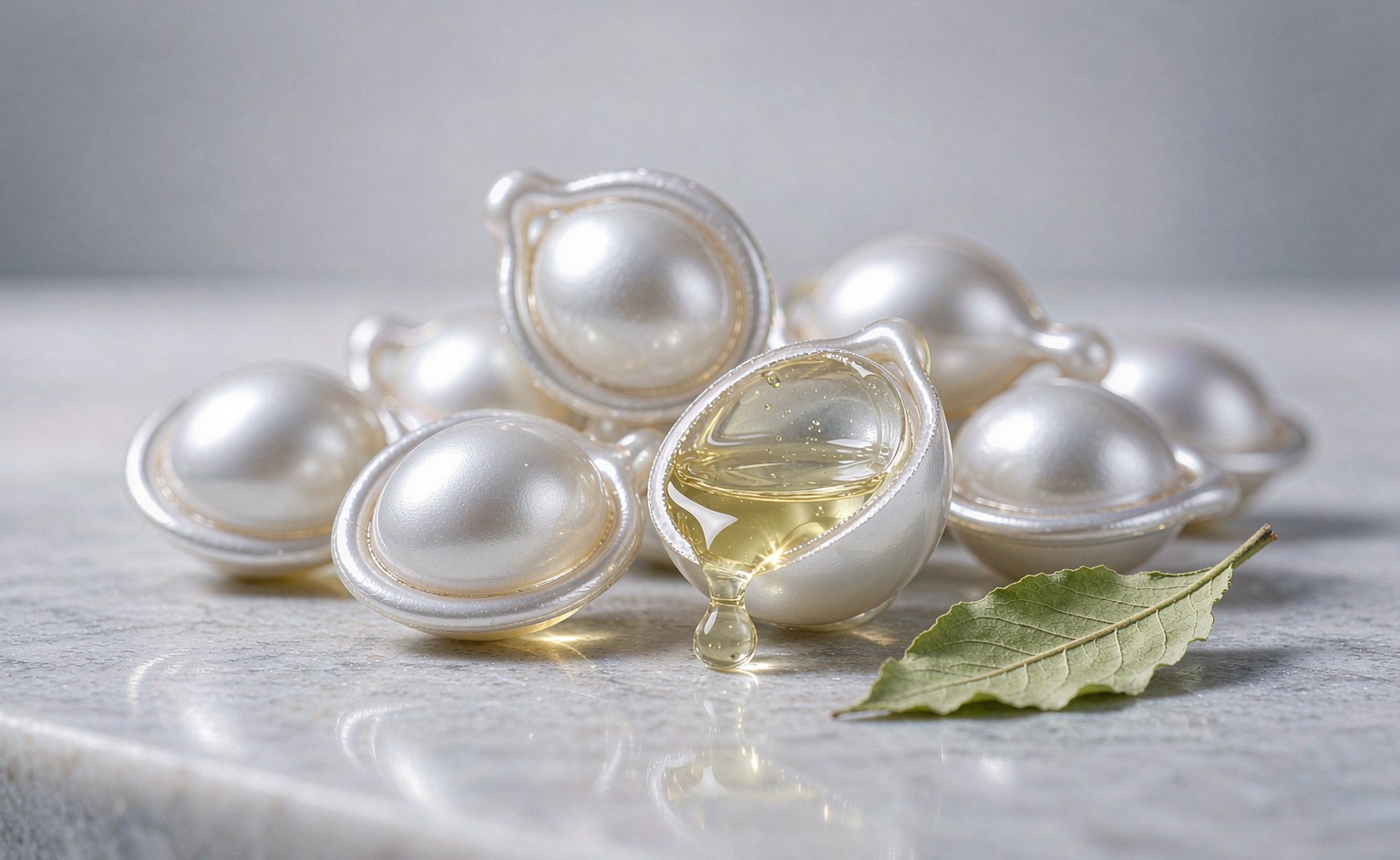
This is where softgel encapsulation becomes a powerful advantage. By encapsulating PDRN within a phospholipid bilayer or nanoparticle structure inside the softgel shell, formulators can:
Protect PDRN from heat and oxidation — the primary causes of degradation
Improve skin penetration — liposomal encapsulation enhances permeability and provides sustained release
Extend shelf life — nanoliposomal PDRN formulations have demonstrated stability for up to three years
Major brands have already adopted this approach. ANUA developed a proprietary "smart capsule" delivery system that improved stratum corneum penetration speed and depth by over three times compared with conventional formulations. The global PDRN capsule serum market is projected to grow at a 9.7% CAGR through 2030, with China leading at 10.3%
Safety Considerations
PDRN is generally well-tolerated, but there are important caveats. Individuals with severe fish allergies should avoid salmon-derived PDRN. Pregnant and breastfeeding women are advised to consult a doctor, as research is limited. It is also not suitable for skin with active acne or infections.
What This Means for Your Brand
PDRN represents a rare convergence: a clinically backed regenerative ingredient with massive consumer demand and a format innovation story (single-dose capsules) that aligns perfectly with the clean beauty, precision skincare, and portability trends.
For brands looking to enter this space, the key differentiator will be formulation expertise — specifically, the ability to stabilise and deliver PDRN effectively in a convenient, preservative-free format.
We formulate and manufacture custom PDRN softgel capsules in our GMP-certified Guangzhou facility. We handle the encapsulation challenge — protecting PDRN's bioactivity while delivering it in a precise, single-dose format. Choose your capsule colour, shape, and packaging.
Tell us your concept — we'll respond within 24 hours with a development plan and quote.
Your brand. Our capsules. Made in Guangzhou.